 All Deities
 Gift & Worship
 Best seller
 About Us
 Contact Us
 Blogs
BlogsWhy Is Hanuman Worshipped on Tuesdays? The Meaning
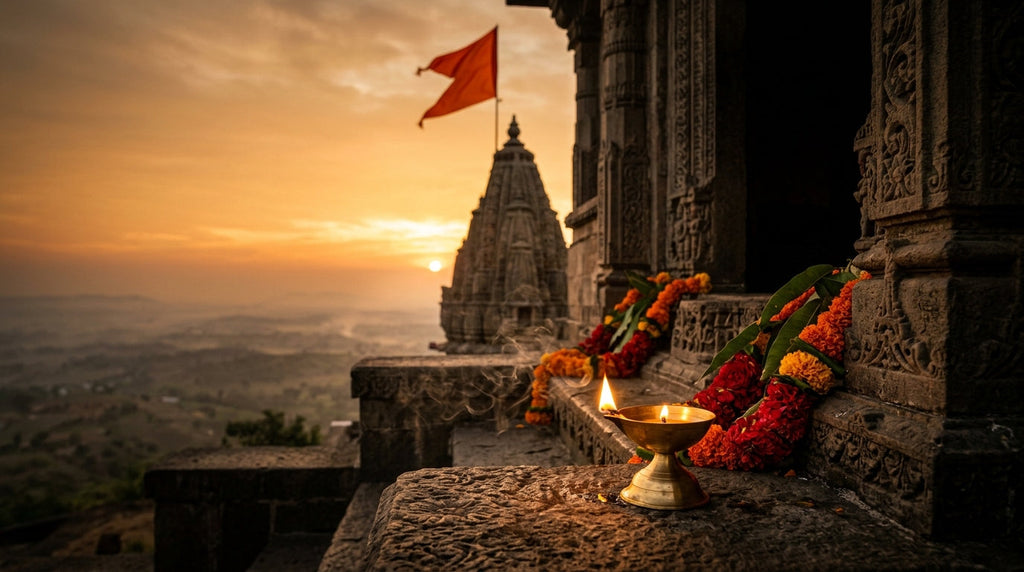
Hanuman is worshipped on Tuesdays because, in many Hindu traditions, Tuesday (Mangalvar) is the day of Mangal, the planet Mars, which stands for courage, energy and discipline. These are the very qualities devotees see in Hanuman. Over generations, the day became a special time to remember him through prayer, the Hanuman Chalisa, simple offerings and, for many families, a light fast. Not every family observes the day in the same way, and some give equal importance to Saturday, but the heart of the practice is the same: seeking strength through devotion.
What Does Mangalvar Mean?
The Sanskrit word vaar means day, so Mangalvar simply means the day of Mangal. In the traditional Hindu week, each day is linked with a graha, a celestial influence, and often with a particular deity. Tuesday belongs to Mangal, known in English as Mars.
The word mangal also means auspicious or well-being, which gives the day a gentle, hopeful ring. Many families see Tuesday as a good moment to begin a small resolution, and Hanuman temples across India tend to fill up with devotees every week on this day.
Mars, Courage and Strength
In Jyotish, the traditional Indian system of astrology, Mangal is associated with courage, stamina and the will to act. Hanuman, who leaps across the ocean, carries an entire mountain in search of the Sanjeevani herb and serves Lord Ram without ever tiring, is the very picture of those ideals. Linking his worship with Mangal's day connected a cosmic idea to a beloved and deeply relatable figure.
It is worth saying plainly that this is a devotional association, not a scientific claim or a promise of any result. For most devotees, Tuesday is simply a weekly reminder to slow down, turn inwards and ask for steadiness of mind.
Why Red Appears Everywhere
Red runs through the whole day: the red planet, red flowers, red cloth and the orange-red sindoor offered to Hanuman. Across India, red is the colour of energy, devotion and auspicious beginnings. Step into a Hanuman temple on a Tuesday morning and you will see it everywhere, from garlands to the glow of the diyas.

Hanuman's Birth and the Two Days of the Week
Many people ask whether Hanuman was born on a Tuesday. Here, traditions genuinely differ. Hanuman Jayanti is celebrated on Chaitra Purnima in much of North India, while other regions, such as Tamil Nadu, observe it at another time of year, during the month of Margazhi. Some families recall Tuesday as his birth day, while others do not connect the weekday with his birth at all.
So the Tuesday tradition does not depend on a single birth date. It rests on long-standing devotion and the association with Mangal.
Tuesday and Saturday
Saturday (Shanivaar) is also dear to Hanuman's devotees, especially in North India. In folk stories it is linked with Shani Dev, and the two days are often mentioned together when people speak of Hanuman worship. They are less rivals than two doors into the same temple.
Some households observe only Tuesday, some only Saturday, and some both. A grandmother in Maharashtra, a priest in Varanasi and a family in Bengaluru may each give you a slightly different answer, and each is sincerely following what was handed down to them.
The Sindoor Story Behind the Offering
One of the best-loved stories connected with Hanuman's worship explains why he is smeared with orange-red sindoor. In popular retellings, Hanuman once saw Mother Sita applying sindoor to the parting of her hair and asked her why. She told him it was for the long life and well-being of Lord Ram.
Hanuman, in his boundless love, covered his entire body with sindoor, thinking it would please Ram even more. Ram was moved by this innocent devotion. The tale lives in folk and regional tradition rather than in a single fixed text, and it is told with small variations, but its message is clear: sincere love matters more than perfect ritual.
This is why devotees offer sindoor mixed with oil to Hanuman murtis, traditionally jasmine oil (chameli ka tel) or sesame oil, depending on the family. The orange-red mark is a quiet symbol of that same wholehearted devotion.

Who Is Hanuman? A Short Reminder
Hanuman is known by many names: Anjaneya, son of Anjana; Pavanputra, son of the wind; Maruti; Bajrangbali; and Sankat Mochan, the reliever of difficulties. Each name points to a different facet of the same beloved personality. Devotees across the country, whatever their sampradaya, recognise him as a symbol of loyalty and strength.
In the Ramayana, he is the messenger who crosses the sea to Lanka, finds Mother Sita and carries Lord Ram's ring and words of comfort to her. The Sundar Kand, the chapter that narrates this journey, is especially cherished by his devotees and is often read on Tuesdays and Saturdays.
Many traditions also count him among the Chiranjivis, those who are said to live on through the ages. For devotees, this means Hanuman is not just a figure from the past but a living presence to remember whenever Ram's name is sung.
The name Sankat Mochan explains much of Hanuman's popularity in a weekly ritual. People turn to him when they feel anxious, stretched or at a crossroads, not asking for a guaranteed outcome but for the courage to meet whatever comes. That is a very human reason to set aside a day.
How Devotees Observe Tuesday
There is no single rulebook for Tuesday worship. What follows is a gentle outline of what many families do, and you should always follow the custom of your own household and local temple.
Morning Preparation
Many devotees begin with a bath and a few quiet minutes in a clean prayer space. A diya or incense stick is lit, and some people choose to wear red or orange, though this is a preference rather than a requirement. The aim is simply to bring a calm, focused mind to the prayer.
Offerings
Common offerings include sindoor with oil, red hibiscus or marigold flowers, and sweets such as boondi or besan laddoo. Some families offer jaggery and roasted chana, or a banana. Because Hanuman's heart belongs to Ram, tulsi leaves and the name of Ram are also welcome in the prayer.
Visiting a Temple
Many devotees prefer to visit a Hanuman temple on Tuesday, join the evening aarti and walk around the murti with folded hands. If you cannot go, a few quiet minutes at home are just as valid. Temple customs, including which offerings are accepted, differ, so it is wise to ask the pujari.
Reciting the Chalisa and Mantras
The most popular practice is reciting the Hanuman Chalisa, the forty-verse hymn composed by the poet-saint Tulsidas in Awadhi. It opens with the line:
जय हनुमान ज्ञान गुन सागर। जय कपीस तिहुँ लोक उजागर॥
Jai Hanuman gyan gun sagar, jai Kapis tihun lok ujagar. Victory to Hanuman, ocean of wisdom and virtue; victory to the lord of the monkeys, who illumines the three worlds.
If the full Chalisa feels long, a simple mantra works just as well: ॐ हनुमते नमः (Om Hanumate Namaha), meaning I bow to Hanuman. Others prefer to chant जय श्री राम (Jai Shri Ram), praising the Lord whom Hanuman served. Reading a few verses of the Sundar Kand is another much-loved choice.
Fasting, If You Wish
Some devotees keep a Tuesday fast, eating one meal or only fruit until the evening prayer. This is entirely optional. Anyone who is unwell, elderly, pregnant or simply not comfortable fasting can offer prayer and a kind deed instead, since devotion is never measured by hunger.

What Hanuman's Devotion Teaches Us
Hanuman's strength is remarkable, yet the stories rarely show him boasting. In one beloved episode, he is reminded of his own abilities by Jambavan before leaping across the ocean, and then he uses them entirely in service of Ram. Power, in his example, is something offered, not displayed.
Another well-known image shows Hanuman opening his heart to reveal Ram and Sita within. It is a powerful picture of bhakti, devotion so complete that the beloved lives inside the devotee. Many people choose a murti inspired by this moment, such as the Hanuman idol with Ram in heart, as a daily reminder of that quality.
On a practical level, Tuesday worship invites us to ask a few questions of ourselves. Where can I serve without expecting credit? Where can I stay steady when things are uncertain? Where can I speak gently but act firmly? These are old questions, and Hanuman's life offers a thoughtful way into them.
The Tuesday habit also builds rhythm. Setting aside one day each week creates a gentle anchor in a hectic schedule, and families often use it as a time to gather, share prasad and tell the children stories from the Ramayana.

Creating a Small Hanuman Corner at Home
A Tuesday prayer does not need a grand setup. A small, clean shelf, a diya, a few flowers and a murti are enough for many homes. Traditions vary about direction and placement, so follow what your family or priest advises, and keep the space tidy and respectful.

Some families keep a Hanuman murti at the home mandir, others on a study desk or office table for steadiness during long working days. Many drivers also like to place a small idol on the car dashboard as a quiet reminder to travel with patience and care. A compact seated form suits small shelves and desks especially well.
Whichever murti you choose, the value lies in the attention you bring to it. A well-crafted idol is a focus for the mind, a visible cue to pause, fold your hands and say a prayer, even if only for a minute before you step out.

A Simple Tuesday Routine for Busy Days
On a busy Tuesday, devotion can still be simple and sincere. Here is a short routine that many people find workable:
- Wake, freshen up and light a diya or incense before the Hanuman murti or picture.
- Offer a flower and, if you wish, a little sindoor with oil.
- Recite a few verses of the Hanuman Chalisa, or chant Om Hanumate Namaha eleven times.
- Share prasad with family, neighbours or colleagues.
- Do one act of seva during the day, such as helping someone or feeding a hungry animal.
Consistency matters more than length. Five sincere minutes each week often mean more than an elaborate ritual done once in a while.
Frequently Asked Questions
Can I worship Hanuman on days other than Tuesday?
Yes. Hanuman can be remembered on any day, and many people recite his name every morning. Tuesday and Saturday are simply days of special emphasis in tradition, much like a festival that adds focus to ordinary devotion.
Is it necessary to fast on Tuesdays?
No. Fasting is a personal choice and varies by family. Prayer, the Chalisa and an act of kindness are considered meaningful on their own, and nobody should fast against their health or comfort.
Can women worship Hanuman on Tuesdays?
Yes, many women and girls recite the Chalisa and pray to Hanuman on Tuesdays. Some temples and families follow particular customs about touching the murti or applying sindoor, and these differ by region, so it is best to follow the guidance of your own family or temple priest.
Which mantra is best for Tuesday worship?
There is no single required mantra. Many devotees choose Om Hanumate Namaha, Jai Shri Ram or the Hanuman Chalisa. Choose the one you can recite with a steady, sincere heart, and ask a family elder or guru if you wish to follow a particular lineage's practice.
Hanuman's Tuesday is less about rules and more about remembering what he stands for: strength with humility, devotion with action, and courage rooted in love for Ram. However you choose to observe the day, may it be a few quiet minutes of reflection. If you are setting up a place for prayer, you are welcome to explore our Hanuman collection. Jai Shri Ram.

About the author
Pandit Om Prakash Saxena
Pandit Om Prakash Saxena is 94 years old and still active. For the last 72 years he has been involved in pooja, paath and all forms of karmakand, and he is associated with Shanti Kunj, Haridwar.
-
Posted in
Hanuman, Hanuman Chalisa, Hindu traditions, Mangalvar, Tuesday puja