 All Deities
 Gift & Worship
 Best seller
 About Us
 Contact Us
 Blogs
Navratri Decoration Ideas at Home: A Pandit's Guide
It is said that when the rains loosen their hold and the air turns soft, a mother's house begins to wake. Brass is scrubbed, floors are mopped, and somewhere a small clay pot waits to be sown with barley. Listen, for this is how Navratri begins in countless homes.
The simplest answer to Navratri decoration ideas at home is this: clean the house first, then decorate in three zones. Dress the entrance with a toran, rangoli and diyas. Brighten the living space with flowers, fabric and soft lamps. Keep the puja corner as the heart, with a clean altar, the kalash, fresh flowers and one steady lamp.
Everything else is only a frame for that corner. At Dev Tattva we like to say that a festival home should feel devout first and pretty second. So let us hear the katha that explains why we light our homes for nine nights, and then decorate with understanding, not only with taste.
The Katha Behind the Nine Nights
The elders tell us of Mahishasura, an asura who grew so strong that the devas could no longer stand before him. According to tradition, he troubled the heavens until the gods, weary and anxious, gathered to think what could be done. Weapons they had, and wisdom too, but neither alone seemed enough.
So, in popular tellings, the energy of the gods came together and took the form of a radiant Devi. This is Durga, the Shakti behind every god. Each deva is said to have placed a weapon in her hands, and the tellings differ on the exact list. A lion, in many tellings, became her mount.
Picture the scene: conches sounding, the hills echoing, the Mother calm and bright in the middle of the battle. Different regions tell the details in their own way, yet they agree on the heart of it. Shakti, awakened and united, protects dharma, and good prevails over evil.
Many homes remember this victory through nine nights of worship, and the tenth day, Vijayadashami, closes the festival. The dates change every year, so please check a trusted panchang. That is why we light lamps and hang fresh leaves at the door. We are not decorating for a party. We are preparing a seat for the Mother.

Ghatasthapana: The Heart of Navratri Decoration
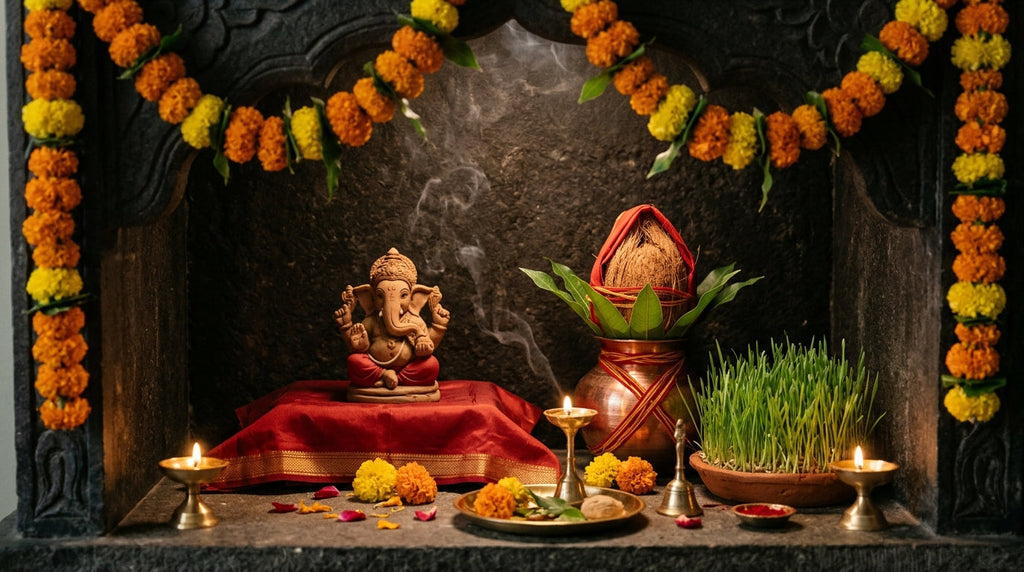
In many North Indian homes, the first day begins with ghatasthapana, the installation of the kalash. Of all the decorations, this is the one without which the rest feels incomplete. A shallow clay base is spread with earth, barley seeds are sown, and a pot of water is set above it.
The mouth of the pot is circled with a sacred thread, mango leaves are tucked into it, and a coconut wrapped in red cloth rests on top. Many families begin by remembering Ganesha, as every auspicious beginning does. ॐ गं गणपतये नमः (Om Gam Ganapataye Namaha) means: I bow to Ganesha, remover of obstacles.
Over the nine days the barley sprouts into a small green field. Families watch it with quiet joy, and it becomes the loveliest decoration in the house, grown only with water, patience and prayer. Customs about the exact method and the muhurat differ by family and region, so please follow your own kul tradition or ask your family pandit.
Navratri Decoration Ideas at Home, Zone by Zone
Begin with a Clean, Clear Home
Before a single flower is hung, let the house be cleaned. Wipe the shelves, mop the floors, put away clutter, and wash the lamps and thali. A clean house is the first offering, and it also makes every decoration look twice as good.
The Entrance: Welcoming the Mother
The doorway is where a home first speaks. Hang a toran of fresh mango leaves and marigolds across the top of the door. Draw a rangoli at the threshold with flower petals, coloured rice or simple white rice flour patterns. Place a pair of diyas on either side.
If you like, add a string of warm lights, but keep the colours gentle. Wiping the floor with a damp cloth before you make the rangoli helps the pattern settle well. A small brass bell near the door adds a lovely sound as family and guests pass.
The Living Space: Festive, Not Fussy
You do not need to redo the room. Change the cushion covers to red, yellow or orange. Swap a plain curtain for one in a festive fabric, or lay a simple dupatta over a side table. Set a wide brass urli of water with floating petals in the middle of the room, with a few diyas beside it.
Modern and traditional can sit together happily. A clean-lined sofa with a handloom throw and a brass urli looks calm and welcoming. Let flowers do the talking and keep the rest simple.
The Puja Corner: Where the Devotion Lives
Wipe the altar clean and spread a fresh red or yellow cloth. Make a backdrop with a plain fabric panel, a curtain of flowers or a row of banana leaves. Keep the kalash, the lamp, the aarti thali, a bell and a small plate for flowers within easy reach of where you will sit.
Many families place the image or murti of the Devi at the centre, with the kalash close by. The direction she faces varies by family and region, so ask the elders of your house what they follow. A temple collection of mandir pieces can help you complete the corner, and you can see more handcrafted murtis at Dev Tattva.

Small Flats and Rented Homes
A shelf, a window niche or a clean corner of a table is enough. Nothing in our tradition asks for a grand room. Hang the toran on a nail that is already in the wall, use a stand or tray for the kalash, and avoid anything that needs drilling.
In a small space, keep to a few things done well: one lamp, one garland, one kalash and one murti. A crowded shelf feels restless, while a clear one feels like a mandir.

What Each Decoration Means
Few people explain why these things are used, so let me say what the tradition holds. Meanings are told a little differently from house to house, but these are widely shared.
- Mango leaves: considered auspicious, a sign of welcome at doors and on the kalash.
- Clay and barley: earth and seed together stand for growth and abundance. The sprouts are watched as a living sign of the nine days.
- Water in the kalash: purity, and the presence of life itself.
- Coconut: offered whole and complete, often seen as a symbol of surrender.
- Sacred red thread (moli or kalava): a thread of blessing that binds the intention of the puja.
- The lamp: light that drives away darkness, kept steady through the nine nights in many homes.
- Red and saffron cloth: colours linked with Shakti and with auspicious beginnings.
Once you know this, a toran is no longer just a string of leaves. It becomes a quiet sentence that says: you are welcome here.
A Gentle Nine-Day Plan
You do not need to do everything on the first day. A little change each day keeps the home fresh and the mind present.
Day one: clean the house, set up the altar and install the kalash. Days two to four: add fresh flowers and a new rangoli each morning, and change the garland daily if you can. Sprinkle a little water on the barley as your family custom directs.
Days five to seven: bring in a little more colour in the living room, such as new cushion covers or a bowl of flowers. If you plan Garba or Dandiya, clear a space and keep the lighting soft. Some families follow a colour for each day, but these colours differ by region and family, so use whatever your own household follows.
On Ashtami and Navami, many households do their biggest setup, with a fuller thali, more lamps and, in some homes, the worship of young girls as forms of the Devi. Customs differ by region, so check a trusted panchang or ask your family priest.
Regional Ways of Decorating
Navratri is not kept in one way everywhere. In Gujarat and Maharashtra, the evenings are for Garba and Dandiya, so homes make room for dancing. In Bengal, the festival is Durga Puja, with a grand image of the Devi. In many South Indian homes, the Golu is arranged: dolls placed on steps of shelves, often in odd numbers, though families follow their own rule.
If your family keeps one of these customs, let it lead your decoration. A Golu needs a sturdy stepped stand and a clear wall behind it. A Garba evening needs open floor, so move the furniture early and keep lamps on high, safe surfaces.

Eco-Friendly, Safe and Respectful Decor
Nature already provides the best Navratri decoration ideas. Banana leaves, mango leaves, marigolds, hibiscus, rice flour and coloured grains all make beautiful, simple decor. A used glass jar with a small lamp inside makes a pretty lantern, and a flower rangoli can later be returned to the plants.
Fresh flowers feel alive and smell lovely, but they wilt, so keep a few spare strings if you want a steady look. Artificial flowers last longer for the wall backdrop, yet the offering at the feet of the Devi is best kept fresh.
Safety matters as much as beauty. Keep every lamp well away from curtains, dupattas and dry garlands. Place diyas on a steel or stone plate, and never leave a flame alone in a room with children or pets. If the house is breezy, use a covered lamp.
When the festival ends, treat the materials with respect. Flowers, leaves and sprouted barley are usually returned to the earth, at the root of a tree or in a garden, or to clean flowing water where local rules allow. They should not be tossed into a bin or left to be trampled.

Decorating on Any Budget
A lovely Navratri home does not need a big spend. At the simplest level, you need a clean altar, a lamp, fresh flowers, a toran of leaves and a rice flour rangoli. Next, you might add a new cloth for the altar, a few extra diyas and fresh cushion covers.
If you wish to go further, you might add a proper backdrop, a brass urli, a swing for the Devi or a new murti for the mandir. Each step adds beauty, but none adds devotion. A single marigold offered with a full heart outweighs any amount of decor.
Choosing Murtis for Your Navratri Setup
A murti is not a decoration piece in the usual sense. It is a form on which the mind can rest while we pray. Choose one that is cleanly made, calm in expression and right in size for your space. A small murti suits a shelf or niche, while a larger one needs a proper mandir platform.
Place it on a raised, clean surface, never directly on the floor, and leave a little space around it for the lamp and flowers. Do not crowd the altar with too many figures. Many families keep one image of the Devi and one small Ganesha beside the kalash.
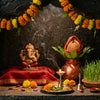
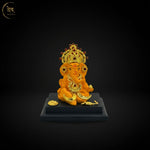
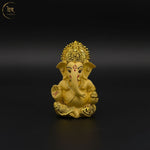
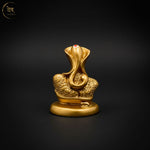
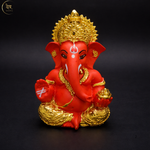
Since the kalash begins with Ganesha, you may like to browse the Ganesha murtis at Dev Tattva, handcrafted for the home mandir, the study table or the car dashboard. The Dev Tattva collection carries Ganesha, Shiva, Hanuman and Ram Lalla murtis, and not a Durga murti, so for the Devi's image please turn to your family's own mandir, a temple or a trusted local source.

If you wish to gift something to a family setting up its first mandir, the gifting collection is a gentle place to look. One simple Ganesha for festive decor is often enough to bring a quiet, reverent feeling to a shelf.

The well-known stuti recited in Devi worship says: या देवी सर्वभूतेषु शक्तिरूपेण संस्थिता। नमस्तस्यै नमस्तस्यै नमस्तस्यै नमो नमः॥ (Ya Devi Sarvabhuteshu Shakti-rupena Samsthita, Namastasyai Namastasyai Namastasyai Namo Namah). It means: to the Goddess who dwells in all beings in the form of Shakti, I bow again and again. Reading it before the altar each evening is a lovely way to end the day.
Frequently Asked Questions
How can I decorate my home for Navratri on a small budget?
Begin with what you already have. Clean thoroughly, use fresh mango leaves and marigolds from the market, make a rice flour rangoli, and light a few diyas. A clean altar with a lamp and flowers is worth more than any costly decor.
How do I decorate a small mandir or wall niche for Navratri?
Wipe the space, lay a clean cloth, and add one garland, one lamp and the kalash if you are installing one. Keep the murti at the centre and leave room for the thali. Avoid hanging anything that might touch the flame.
What items do I need for Navratri decoration?
A toran, flowers, rangoli material, diyas or lamps, a kalash with mango leaves and a coconut, red thread, a clean cloth, an aarti thali, incense and a murti or picture of the Devi. Your family's custom may add or remove a few things.
Can I mix modern decor with traditional Navratri decoration?
Yes. Many homes pair a simple modern room with brass lamps, a handloom throw and fresh flowers, and it looks lovely. The only thing to guard is the cleanliness and calm of the puja corner, which should stay simple and respectful.
May the Mother enter your home gladly this Navratri, and may your lamp burn steady through all nine nights. If you are setting up your mandir, you are welcome to explore the handcrafted murtis at Dev Tattva, and may your home be filled with devotion, light and peace.

About the author
Pandit Om Prakash Saxena
Pandit Om Prakash Saxena is 94 years old and still active. For the last 72 years he has been involved in pooja, paath and all forms of karmakand, and he is associated with Shanti Kunj, Haridwar.
-
Posted in
durga, ghatasthapana, home mandir, navratri, navratri decoration, puja ideas